Tips for Creating a Cozy and Productive Home Office Space
Creating a home office that feels both cozy and conducive to productivity can make a significant difference in your work-from-home experience. Whether you’re setting up a new space or revamping an existing one, blending comfort with efficiency helps keep motivation high and distractions low. In this post, we’ll explore practical tips to help you design a home office that supports focus, creativity, and well-being.
1. Choose the Right Location
The first step in creating a cozy and productive home office is selecting an appropriate spot. Ideally, choose a quiet area away from household traffic to minimize interruptions. If a dedicated room isn’t available, a nook or corner can work well when thoughtfully arranged.
Consider natural light
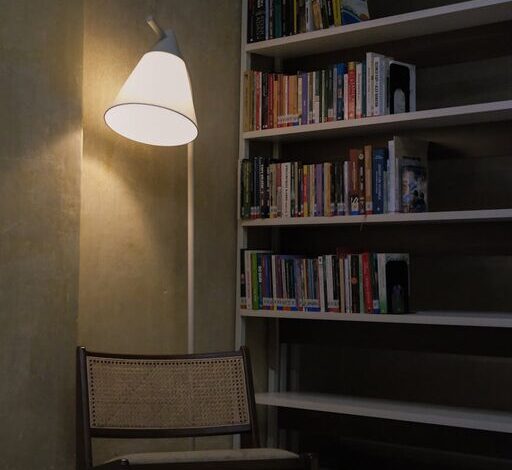
Daylight has a positive impact on mood and alertness. Position your desk near a window to benefit from natural light throughout the day. If natural light is limited, invest in good quality lighting that mimics daylight to avoid eye strain.
2. Select Comfortable and Functional Furniture
Your furniture will set the foundation for both comfort and productivity.
– Ergonomic chair: A supportive chair reduces back pain and fatigue during long work hours. Look for adjustable features to suit your posture.
– Spacious desk: Choose a desk size that fits your equipment and allows space for writing or other tasks.
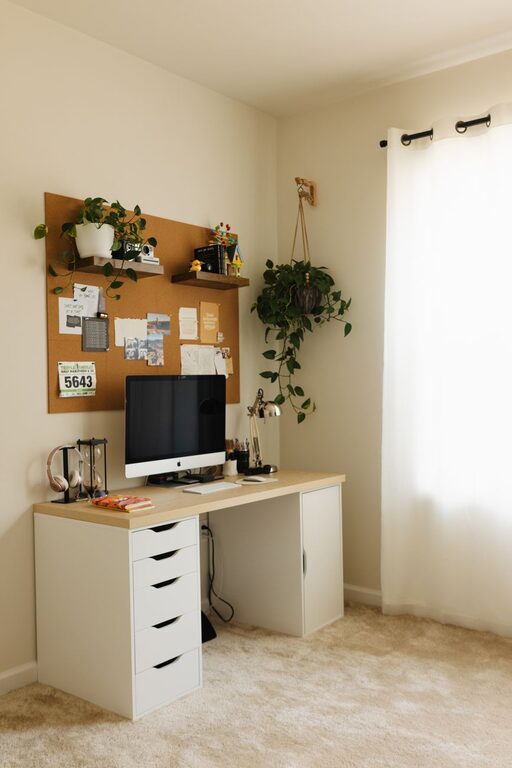
– Storage solutions: Incorporate shelves, filing cabinets, or organizers to keep your workspace tidy and clutter-free.
3. Organize for Efficiency
A well-organized office saves time and enhances focus by removing clutter, which can be mentally distracting.
Declutter regularly
Keep only essential items on your desk. Store paperwork electronically if possible, and use organizers for stationery and supplies.
Use cable management
Tidy cables help avoid distractions and create a cleaner look. Use clips, sleeves, or under-desk trays to keep wires under control.
4. Personalize Your Space
Adding personal touches makes your workspace inviting and more enjoyable.
– Incorporate plants: Small greenery adds life and can improve air quality.
– Display inspiring art or photos: Choose images that motivate or relax you.
– Use cozy textiles: Soft rugs, cushions, or throws can add warmth and texture.
5. Manage Noise Levels
Noise can be a big productivity killer, especially in busy households.
– Use noise-cancelling headphones: These can help block distractions when focus is required.
– Add soft furnishings: Curtains, rugs, and cushions absorb sound and reduce echo.
– Background music: Some people work best with calm background music or white noise to enhance concentration.
6. Optimize Technology Setup
Having the right technology setup is crucial for smooth workdays.
– Reliable internet: Ensure fast and stable connectivity.
– Multiple monitors: Using two screens can boost efficiency, especially for multitasking.
– Proper peripherals: Invest in a quality keyboard, mouse, and webcam for comfort and professional video calls.
7. Set Clear Boundaries and Schedule Breaks
Maintaining productivity also means setting limits and giving yourself rest.
– Define office hours: Communicate your work schedule to family or housemates.
– Take regular breaks: Short breaks reduce fatigue—try techniques like the Pomodoro method (25 minutes work, 5 minutes rest).
– Create a “sign-off” routine: At the end of the day, organize your workspace to signal the transition out of work mode.
8. Control the Temperature and Air Quality
Comfort isn’t just about how the space looks; it also involves your physical environment.
– Adjust room temperature: Keep it comfortable—not too hot or cold.
– Improve ventilation: Open windows when possible or use an air purifier.
– Use a humidifier: In dry climates, this can enhance comfort and reduce irritation.
9. Incorporate Movement and Stretching
Sitting all day can lead to stiffness and fatigue. Integrate movement into your routine.
– Use a sit-stand desk or alternate between sitting and standing.
– Set reminders to stretch or walk briefly every hour.
– Consider placing your printer or supplies a bit further away to encourage periodic movement.
Final Thoughts
Designing a cozy and productive home office is about balancing comfort with functionality. By paying attention to lighting, furniture, organization, personalization, and well-being, you create a space where you can focus and feel inspired. Remember that your home office should reflect your working style and preferences, so feel free to experiment and adjust until it truly feels like your ideal workspace. With the right setup, working from home can be both enjoyable and effective.